SUBSCRIBERS’ HOME / FEATURES / NEW TO HOME EDUCATION? / PRACTICAL MATTERS / WEBSITES / RESOURCES / SEN / PLACES TO VISIT / SOCIAL LIFE / USEFUL INFORMATION / TUITION AND SERVICES / FROM YOU TO US
1 Home educating parents come from all backgrounds, all occupations, all income levels, all levels of education and from different family structures including single parents and grandparents
2 Around a quarter of them have a teacher in the family but teaching experience relates mainly to classroom management; it is of little use at home where learning is individualised and informal
3 A minority of families known to HEAS have decided on home education at the outset and their children have never attended school; some of these choose home education for philosophical, lifestyle or religious reasons
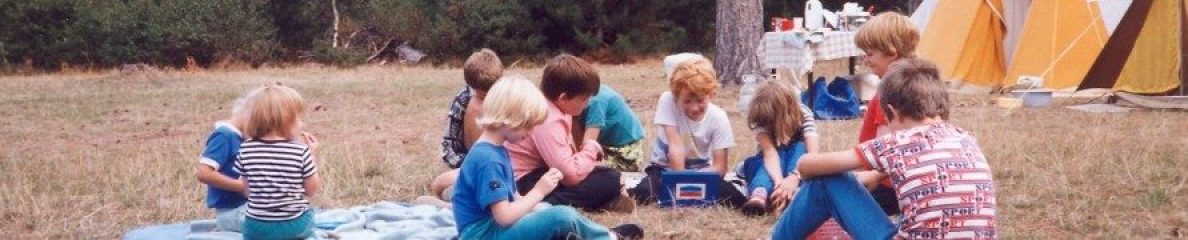
4 Home educated children socialise with others, learn science at home, have access to sports, music and team activities, belong to home education networks, take and pass exams, go to university, get jobs, mix easily with people of all ages and often excel in their chosen fields
5 The majority of home educators have withdrawn at least one child from school but there are often siblings in school
6 Around 60% of children withdrawn from school have suffered severe bullying; some are suicidal; most of them need time to recover and can’t start on a programme of home education immediately (they need to recover motivation and confidence; sometimes they need a completely fresh approach; they may benefit from discovering new interests)
7 Around 10% of the children known to HEAS have been notified to us as having some degree of special educational needs; some have education, health and care plans
8 Home educated children are not hidden; they are out and about in the community and are seen regularly by many people
9 There are local home educators’ groups and networks all over the country, facebook groups and other social media, summer camps, Duke of Edinburgh’s Award groups and international groups
10 The individualised nature of home education means that it is different from learning at school and children learn at their own pace, discover their own motivation and have access to a broad range of educational opportunities.